
How Oracle Cards Became Our Self-Care Ritual

Updated: Aug 6, 2025

There are moments in life when clarity feels just out of reach when the mind is full, emotions are tangled, and decision-making becomes clouded. During such times, many turn inward, seeking something deeper than logic or external advice. That’s where tarot and oracle cards come in not as fortune-telling gimmicks, but as gentle guides toward the truths already inside us.
Rooted in centuries of tradition and layered with symbolism, tarot and oracle cards serve as powerful tools for self-reflection and personal growth. Far from being mystical or intimidating, these cards can offer insight, comfort, and even joy especially when approached with curiosity and an open mind.

What Are Tarot and Oracle Cards Really?
Tarot and oracle cards are two types of divination tools, often used for guidance, reflection, or meditation. While they both involve pulling cards and interpreting meanings, they differ in structure and style.
Tarot cards usually follow a traditional format of 78 cards:
22 Major Arcana represent big life themes or archetypes (like Death, The Lovers, or The Fool).
56 Minor Arcana focus on more day-to-day experiences and are divided into four suits: Cups (emotions), Swords (thoughts), Wands (creativity), and Pentacles (material/abundance).
Oracle cards, on the other hand, are more free-form. There are no rules to the number of cards or format. Each deck is uniquely created by an author or artist, offering individual messages or affirmations. They’re easier to work with for beginners and tend to be more flexible in use.

A Brief History: Where Did Tarot Come From?
Tarot cards date back to the 15th century, originally appearing in Europe among nobility. While some early decks were used as playing cards, others were tools for introspection and guidance what people then called “fortune telling.”
To avoid persecution from religious institutions, many claimed the cards were simply part of a game. Still, hidden within the artwork and structure of each deck was a deeper intention to tell stories, reveal patterns, and help individuals reflect on their lives. The imagery and symbolism have evolved over time, but the essence remains the same.

Using Cards as a Mirror, Not a Map
The power of tarot and oracle cards lies not in predicting the future, but in illuminating the present. They are not about telling you what will happen rather, they offer insight into what is happening beneath the surface. In this way, the cards become a mirror, reflecting your emotions, thoughts, and patterns.
A single card can feel like a confirmation of something you already sensed but didn’t know how to put into words. A full spread can unveil the relationships between various aspects of your life, providing clarity or prompting you to shift direction. Each card invites you to pause, reflect, and respond from a place of greater awareness.

The Importance of Free Will
One of the key truths to remember when working with these tools is that you always have free will. The cards don’t make decisions for you. They don’t demand action or dictate your fate. They simply offer awareness a deeper look at what’s happening energetically or emotionally.
If a card doesn’t resonate, that’s okay. It may not be for you, or it may need more time to reveal its meaning. On the other hand, some cards might come back again and again gently nudging you to pay attention to something you’ve been avoiding.
Think of the cards not as instructions, but as invitations.
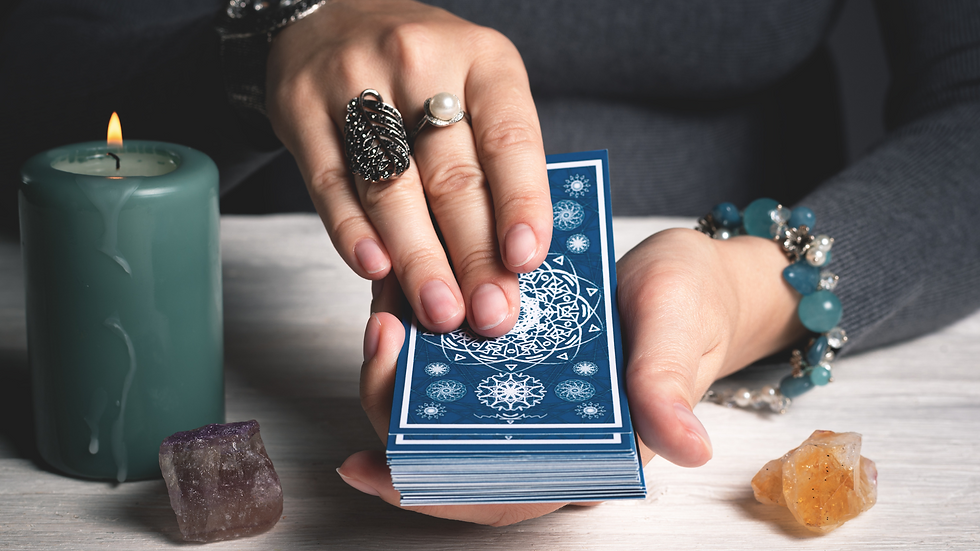
How to Start: Tips for Beginners
Feeling called to begin your own tarot or oracle practice? Here are a few simple steps to get you started:
1. Choose a Deck That Resonates
Let your intuition guide you. Look at the artwork, the tone of the messages, and how the deck makes you feel. You don’t need to start with traditional tarot many beginners love the simplicity and beauty of oracle decks.
2. Set an Intention
Before pulling a card, take a breath and ask: What do I need to hear right now? Or What energy do I need to embody today? Intention sets the tone for the message.
3. Pull a Card (or Three)
You might choose one card for insight or do a three-card spread (past–present–future, for example). Don’t overthink it let the card that draws your attention speak.
4. Journal or Reflect
Write down the card’s message and how it relates to your current experience. Over time, journaling helps track patterns and growth.
5. Trust Your Inner Voice
You don’t need to be an expert. What matters most is how the card makes you feel and what you take from it.
The Balance
Whether you're a beginner just exploring or someone returning to a forgotten practice, tarot and oracle cards can become a meaningful part of your spiritual or self-care routine. They don’t demand belief only openness. And with that openness, they can reveal powerful truths, offer clarity, and guide you back home to yourself.
So the next time you feel uncertain, overwhelmed, or simply curious… shuffle the deck, pull a card, and see what message is waiting.
Because the answers aren’t in the cards.
They’re in you.
Ready to Explore the Wisdom Within?
If you’ve ever felt drawn to tarot or oracle cards but weren’t sure where to begin, this is your gentle invitation. In our latest conversation, we unpack the myths, the meaning, and the real magic behind using cards not to predict your future, but to connect more deeply with your present.
We explore how these tools can support your intuition, spark healing insights, and become part of a mindful daily ritual.


Comments